Small Bathroom Ideas: Smart Space Solutions
By
Sophia
Published on
October 24, 2023
Read time
3 min read
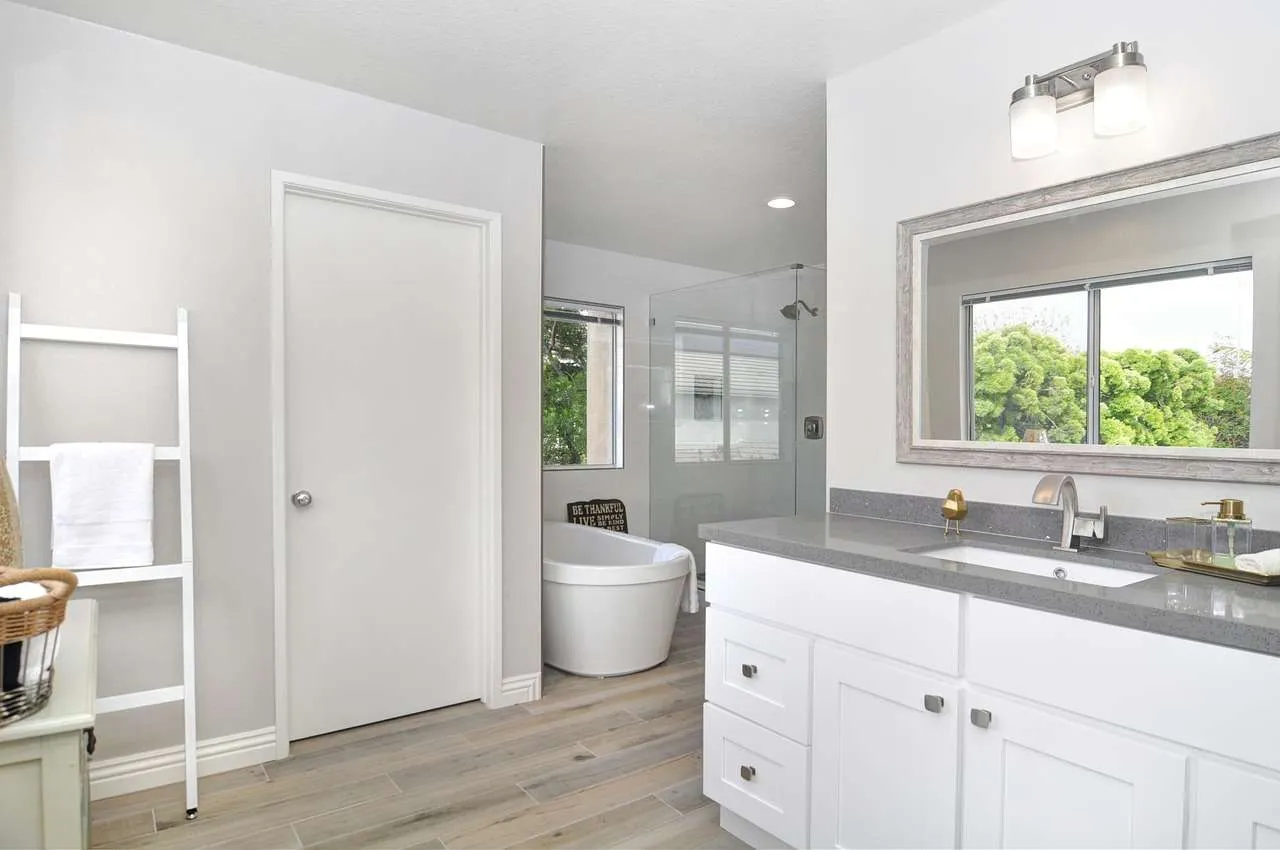
Designing a comfortable, functional bathroom in a compact footprint requires a methodical approach. As a seasoned designer, I focus on core principles of space planning, storage optimization, lighting, and durable finishes. This guide presents small bathroom ideas that balance style and practicality while meeting EEAT standards.
Principles of small bathroom design
Layout optimization
Layout is the backbone. In small bathrooms, choose a layout that minimizes wasted space. Consider a corner shower, wall-hung vanity, and a compact toilet. If possible, relocate the door to swing outward or install a pocket door to reclaim floor area.
Storage and fixtures
Integrated storage is essential. Options include recessed niches, medicine cabinets, and vanity drawers with dividers. Choose wall-mounted fixtures to keep floor space visible. A trough or single-handle faucet saves space aesthetically.
Lighting and color
Light colors and reflective surfaces expand a room visually. Use large mirrors, glass shower enclosures, and matte or semi-gloss tiles in light tones. Layer natural light with layered artificial light.
Space saving ideas
- Wall-hung vanity with shallow depth; under-sink storage; or pedestal for bathrooms with zero wall space.
- Walk-in shower with glass panels instead of a tub.
- Recessed niches for toiletries; built-in seating in showers if space allows.
- Pocket door or French door to save swing space.
- Floating shelves and magnetic organizers for slim walls.
Materials and finishes
Large-format porcelain tiles minimize grout lines and create a seamless look. Light neutrals and pale pastels brighten a small bath. Choose moisture-resistant cabinetry materials such as MDF or PVC with water-resistant finishes. Opt for durable, easy-to-clean fittings to reduce maintenance over time.
Lighting design for perceived space
Three-layer lighting matters: ambient, task, and accent. Use LED strips under a floating vanity, wall-mounted lights above the mirror, and recessed ceiling lamps. When possible, maximize natural light with a well-placed window or skylight, tempered for safety.
Accessibility and safety
Safety is an essential part of EEAT. Add grab bars near the shower and toilet, non-slip floors, lever handles, and a shower seat if space allows. Plan for accessible reach zones and comfortable heights for fixtures to support users of all ages.
Practical comparison table
| Layout Option | Best For | Pros | Cons |
|---|---|---|---|
| Straight run with wall-hung vanity | Most compact layouts | Maximizes floor space; easy plumbing | Shower size may be limited |
| Corner shower with wall-hung toilet | Smallest footprint | Open feel; easy cleaning | Limited storage |
| Pocket door with linear vanity | Open floor plan | Space-saving door; streamlined look | Higher installation cost |
Step-by-step plan to implement
- Measure the space accurately and list must-haves versus nice-to-haves.
- Choose key fixtures such as a compact toilet, wall-hung vanity, and a shower enclosure.
- Design smart storage with niches, medicine cabinets, and drawers with dividers.
- Plan lighting layers and select finishes that reflect light.
- Round up materials and schedule a professional installation with attention to moisture control.
- Review the plan and adjust for accessibility and safety as needed.
Conclusion, embracing small bathroom ideas means balancing a clear plan with adaptable details. By prioritizing wall-hung fixtures, glass enclosures, layered lighting, and durable finishes, you create a space that feels larger, cleaner, and more functional while staying within a compact footprint.