Home Window Tinting: Benefits, Types & Tips
By
Emma
Published on
October 24, 2023
Read time
4 min read
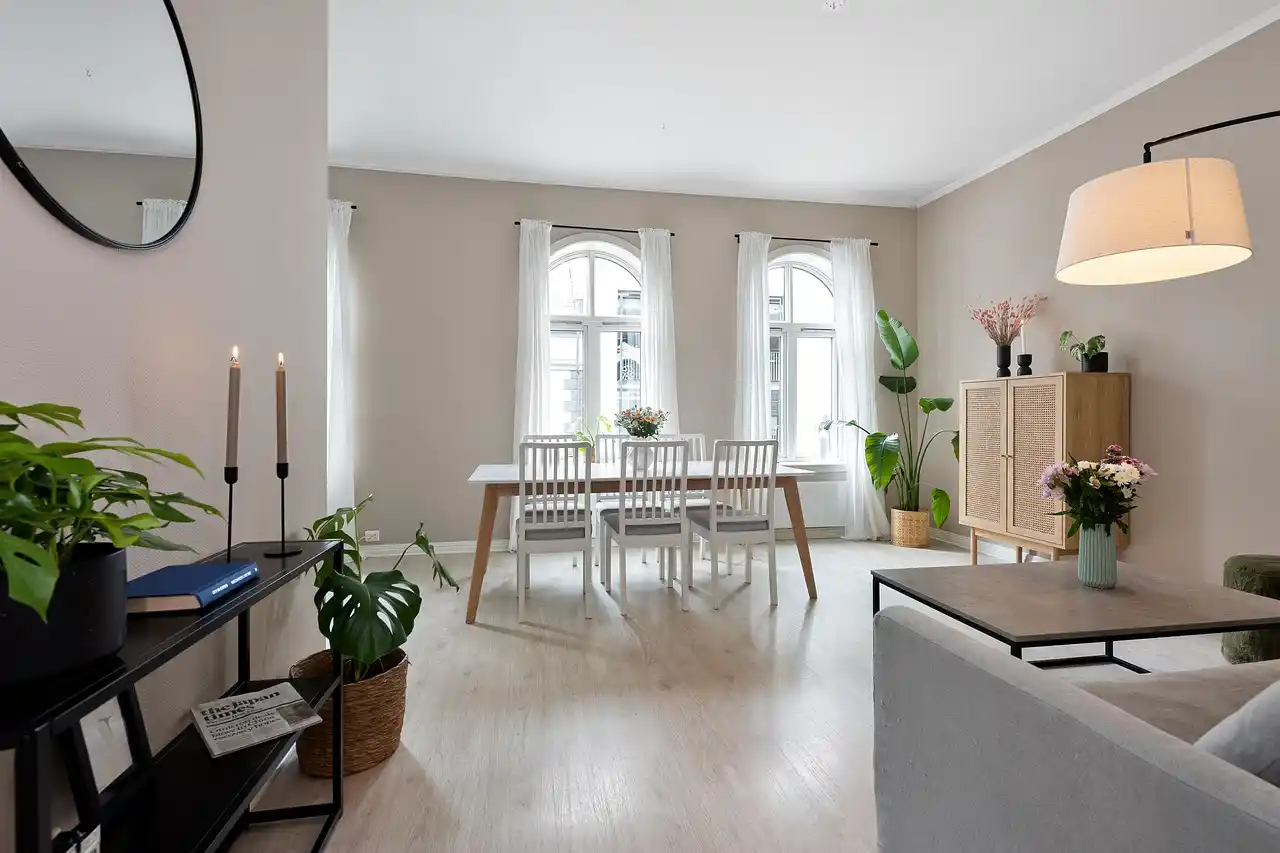
Home window tinting is a practical upgrade for residential properties. By applying a thin film to existing glass, homeowners can reduce glare, block UV rays, improve energy efficiency, and enhance privacy without replacing windows.
What is Home Window Tinting?
Window tinting involves laminating or applying a durable film to interior or exterior glass. The film can be dyed, metalized, ceramic, or carbon based, each offering different performance characteristics.
Benefits of Home Window Tinting
- UV protection: Most films block over 99% of ultraviolet rays, helping preserve furniture and flooring.
- Energy efficiency: Tinting reduces solar heat gain, lowering cooling costs in summer and maintaining comfortable indoor temperatures.
- Glare reduction: Window films cut harsh glare on screens and in living spaces, improving comfort.
- Privacy and aesthetics: Tints vary from light to very dark, offering daytime privacy while preserving exterior views.
- Safety and durability: Some films hold shattered glass in place, providing an extra layer of safety during storms or impacts.
Types of Tint Films
Choosing the right film depends on your goals and budget. Here is a quick comparison of common film types:
| Film Type | UV Rejection | Visible Light Transmission (VLT) | Heat Rejection | Privacy | Pros | Cons |
|---|---|---|---|---|---|---|
| Dyed | Up to 99% | Low to medium | Moderate | Low to Medium | Affordable, good glare control | Fades over time, can show edge lines |
| Metalized | High | Low to medium | Excellent | High | Strong heat rejection, durable | Can interfere with electronics and antennas |
| Ceramic | Very high | Varies | Excellent | Low to Medium | Best clarity, nonmetallic, durable | Higher cost |
| Carbon | High | Medium to high | Good | Medium | Non reflective, durable, good aesthetics | Mid to high cost |
Legal Considerations and Safety
Local tint limits vary by state or country. Many jurisdictions regulate the maximum allowable VLT for front windows and require reflectivity levels to avoid glare for other drivers. Before installing, verify the relevant laws and ensure your chosen film meets those requirements. Always hire a licensed window film installer to guarantee a safe, code compliant installation and warranty coverage.
Professional Installation vs DIY
While DIY tint kits exist, professional installation ensures a uniform finish, proper edge sealing, and a warranty. Professionals bring trained handling of pre-cut patterns, precise heat application methods, and inspection for air bubbles or adhesive failure. A reputable installer will also assess your glass type, climate, and existing films if you are upgrading.
What to Look For in a Pro
- Certified installers with experience and warranties
- A tangible showroom or sample gallery to compare films
- Clear written estimates, product specifications, and post-install care instructions
- Insurance coverage and manufacturer backed warranties
Costs, ROI, and Maintenance
Residential window tinting cost ranges per square foot and depends on film type, window size, and installation complexity. Typical ranges are 5 to 15 dollars per square foot for complete home coverage, excluding removal of old films. ROI comes from energy savings, furniture protection, and increased comfort, often offsetting cost within 3–7 years depending on climate and electricity prices. Maintenance is simple: clean with a non ammonia solution and a microfiber cloth; avoid abrasive cleaners that can scratch the film.
For durability, choose films with manufacturer warranties that cover fading, bubbling, or adhesive failures for 5 to 15 years, depending on the brand and product line.
Summary: Home window tinting offers UV protection, energy efficiency, glare reduction, and privacy when installed by a qualified professional. By understanding film types, legal considerations, and maintenance practices, you can select the right tint for your home and maximize long term value.